Buy waldshut.eu ?
We are moving the project
waldshut.eu .
Are you interested in purchasing the domain
waldshut.eu ?
domain@kv-gmbh.de · 0541-91531010
Buy waldshut.eu ?
Does it say in which context or in what context?
The phrase "in which context" or "in what context" is typically used to inquire about the specific circumstances or setting in which something occurred or is being discussed. It is a way to seek clarification or further details about the situation being referenced. **
Does it say in what context or in which context?
No, the question does not specify in what context or in which context the information is being sought. It is important to provide more details or clarify the specific context in order to receive a more accurate response. **
Similar search terms for Context
Top-Angebote
Products related to Context:
-
RLF Home Tradition Provance Valance"Fits Windows up to 50""W. Use multiples for Wider Windows. Decorator's quality fabrics. Fully lined with Poly/Cotton Ivory lining. Use a 2-1/2"" Continental Rod, a regular 3/4"" Curtain rod, Tension rod or Decorative pole no more than 1-3/8"" Diameter."64,49 $*Shipping: 0,00 $Secure redirect to the provider
-
"""Gardet Cuvee Brut Tradition Champagne - France""""""The color is yellowy honey gold. The aromas are decidedly winey and full. It explodes with hints of wheat and chalk. In the mouth it immediately gives white summer fruits with stone. Altogether fresh, with a full-bodied consistency that holds..."53,99 $*Shipping: 0,00 $Secure redirect to the provider
-
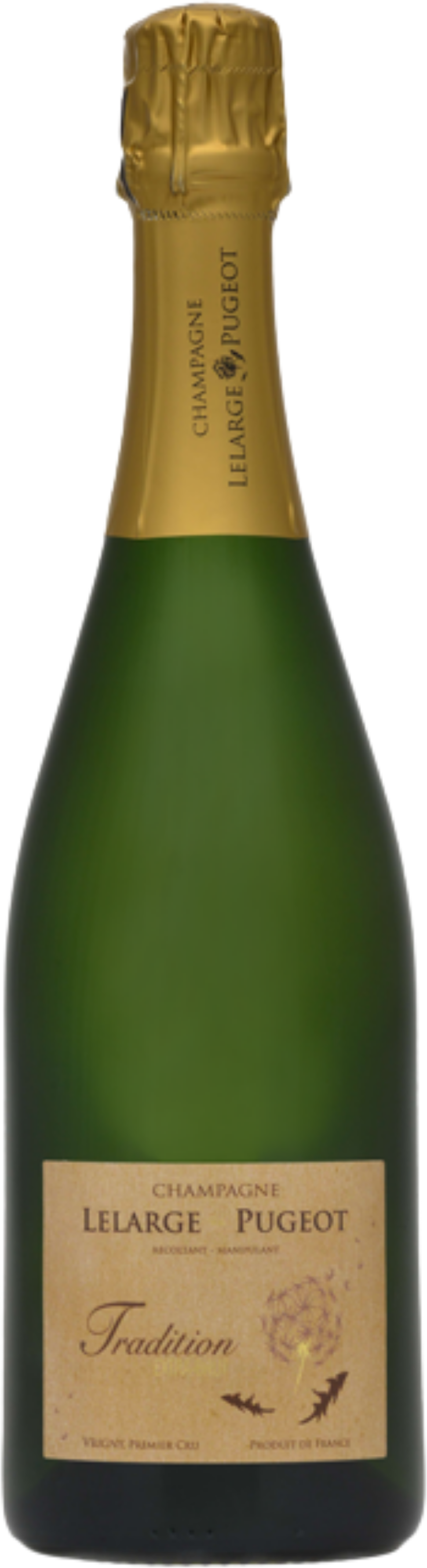
Champagne Brut Grand Cru 'Tradition' GatinoisChampagne Gatinois Brut Grand Cru 'Tradition' reflects the structure and expressive depth of Champagne from Aÿ, a Grand Cru village located in the Vallée de la Marne, a few kilometres from Epernay. The village, where Pinot Noir reigns supreme with almost 90% of the entire vineyard area, is the largest of the Champagne villages with more than 4,000 inhabitants. Already famous in ancient times for the quality of its still wines, Aÿ is today established among the largest territories in all of Champagne for the cultivation of Pinot Noir.The Brut Grand Cru Champagne Gatinois 'Tradition' consists of a blend of Pinot Noir (80%) and Chardonnay (20%) grapes, varieties cultivated within the Grand Cru village of Aÿ on soils with a strong chalk component. In the cellar, the grapes undergo a soft pressing, followed by the alcoholic fermentation of the must and then the maturation of the vintage wine for a few months, which is then blended with 30% vin de reserve in the preparation of the sparkling wine base. This is followed by bottle fermentation according to the Champenoise Method, combined with at least 24-30 months of maturation on the lees in glass. This is followed by degorgement and final dosage as Brut, at 7 g/l residual sugar.The Champagne 'Tradition' Brut Grand Cru from the Gatinois sparkling wine company has a light, brilliant straw yellow colour with a refined perlage. Fresh aromas of pear, lime and white flowers emerge from the glass, supported by anelegant mineral timbre and deep hints of brioche and toasted hints. All complemented by the vinous note typical of Pinot Noir. Taste development endowed with excellent freshness and sapidity, with a good persistence in which the sensations previously perceived on the nose reappear.42,00 £*Shipping: 48,00 £Secure redirect to the provider
-
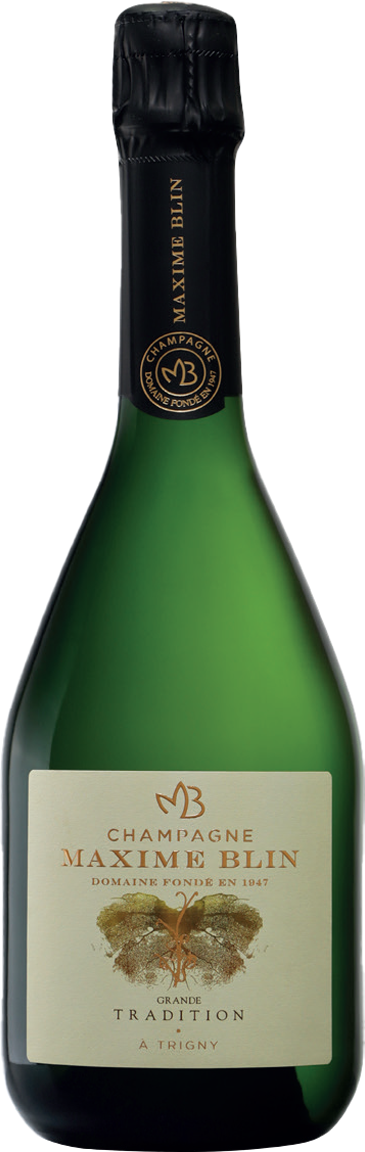
Champagne Brut 'Grande Tradition' Maxime BlinThe 'Grande Tradition' Brut Champagne from the French company Maxime Blin is a Champagne with a classic and refined style, reflecting the identity of the winery. This label is part of the 'Les Fondamentales' collection, a selection that brings together historical cuvées that fully embody the style of the Blin family, each focusing on a specific grape variety. In this particular case, the 'Grande Tradition' highlights the qualities of the Chardonnay cultivated in the Trigny area.The 'Grande Tradition' Maxime Blin Champagne comes from a blend of Chardonnay (90%) and Pinot Noir (10%) grapes grown under certified organic cultivation in the village of Trigny, within the Montagne de Reims area. Here, the vines enjoy excellent southern and south-eastern exposure and the sandy, clay-limestone soil matrix. Following the harvest, the grapes are subjected to a gentle pressing using a Coquard press, with the must thus obtained being transferred to stainless steel tanks for temperature-controlled alcoholic fermentation and subsequent complete malolactic fermentation. The vintage wine is then combined with 30% vins de réserve before bottle fermentation according to the Champenoise Method, combined with 36 months of maturation sur lattes. This is followed by dégorgement and final dosage as Extra Brut, with 4 g/l residual sugar.The 'Grande Tradition' Champagne Maxime Blin has a luminous straw yellow colour with a fine and persistent perlage. The aromatic bouquet expresses fragrant scents of citrus fruits and white flowers, surrounded by memories of bakery and mineral nuances. The taste is fresh, elegant and balanced, with a pleasant savoury trail that rests on a long citrus and mineral finish.57,00 £*Shipping: 48,00 £Secure redirect to the provider


-
In what context is... used?
'In what context is artificial intelligence used?' Artificial intelligence is used in various contexts such as healthcare, finance, transportation, and customer service. In healthcare, AI is used for medical imaging analysis, drug discovery, and personalized treatment recommendations. In finance, AI is used for fraud detection, risk assessment, and algorithmic trading. In transportation, AI is used for autonomous vehicles and traffic management. In customer service, AI is used for chatbots, virtual assistants, and personalized recommendations. **
-
What is the historical context?
The historical context refers to the events, circumstances, and social conditions that surround a particular time period in history. It includes factors such as political, economic, social, and cultural influences that shape the environment in which historical events unfold. Understanding the historical context is crucial for interpreting and analyzing the significance of events, as it provides insight into the motivations, beliefs, and actions of individuals and societies at that time. By examining the historical context, historians can gain a deeper understanding of the complexities and nuances of the past. **
-
What is the temporal context?
The temporal context refers to the time period or timeframe in which an event, situation, or piece of information occurs or is relevant. It helps to provide a framework for understanding the sequence of events and the historical or current significance of a particular topic. Understanding the temporal context is important for interpreting and analyzing information accurately within its historical or current timeframe. **
-
What does historical context mean?
Historical context refers to the social, cultural, political, and economic conditions that existed during a particular time period. It provides a framework for understanding the events, ideas, and actions of the past by considering the broader historical circumstances in which they occurred. By examining historical context, we can gain insight into the motivations and influences that shaped the decisions and behaviors of individuals and societies in the past. Understanding historical context is essential for interpreting and analyzing historical events and their significance. **


Is this language context-free?
To determine if a language is context-free, we need to check if it can be generated by a context-free grammar. This means that the language's rules for constructing sentences must be able to be expressed using a context-free grammar. If the language's rules require context-sensitive information or dependencies, then it is not context-free. To determine if a specific language is context-free, we can use the pumping lemma for context-free languages or try to construct a context-free grammar for the language. **
In what context is "Nevermind" said?
"Nevermind" is often said in response to someone apologizing or offering to do something, indicating that the speaker does not want the other person to worry about it or go to any trouble. It can also be used to dismiss a previous statement or question, indicating that the speaker no longer wants to discuss the topic. Overall, "Nevermind" is used to indicate that something is not important or not worth further consideration. **
Top-Angebote
Products related to Context:
-
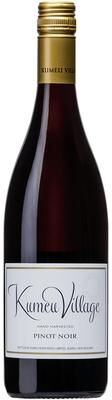
"""Kumeu River""" """Kumeu River Village Pinot Noir 2022 Red Wine - New Zealand""""""The wine displays a bright cherry red/burgundy color with lifted red fruit aromas. On the palate the wine is cool, round and fruity and with a nice hint of chalky tannin that keeps the wine dry and refreshing. Bright raspberry and maraschino cherry..."24,97 $*Shipping: 0,00 $Secure redirect to the provider
-
RLF Home Tradition Provance Valance"Fits Windows up to 50""W. Use multiples for Wider Windows. Decorator's quality fabrics. Fully lined with Poly/Cotton Ivory lining. Use a 2-1/2"" Continental Rod, a regular 3/4"" Curtain rod, Tension rod or Decorative pole no more than 1-3/8"" Diameter."64,49 $*Shipping: 0,00 $Secure redirect to the provider
-
"""Gardet Cuvee Brut Tradition Champagne - France""""""The color is yellowy honey gold. The aromas are decidedly winey and full. It explodes with hints of wheat and chalk. In the mouth it immediately gives white summer fruits with stone. Altogether fresh, with a full-bodied consistency that holds..."53,99 $*Shipping: 0,00 $Secure redirect to the provider
-
Does it say in which context or in what context?
The phrase "in which context" or "in what context" is typically used to inquire about the specific circumstances or setting in which something occurred or is being discussed. It is a way to seek clarification or further details about the situation being referenced. **
-
Does it say in what context or in which context?
No, the question does not specify in what context or in which context the information is being sought. It is important to provide more details or clarify the specific context in order to receive a more accurate response. **
-
In what context is... used?
'In what context is artificial intelligence used?' Artificial intelligence is used in various contexts such as healthcare, finance, transportation, and customer service. In healthcare, AI is used for medical imaging analysis, drug discovery, and personalized treatment recommendations. In finance, AI is used for fraud detection, risk assessment, and algorithmic trading. In transportation, AI is used for autonomous vehicles and traffic management. In customer service, AI is used for chatbots, virtual assistants, and personalized recommendations. **
-
What is the historical context?
The historical context refers to the events, circumstances, and social conditions that surround a particular time period in history. It includes factors such as political, economic, social, and cultural influences that shape the environment in which historical events unfold. Understanding the historical context is crucial for interpreting and analyzing the significance of events, as it provides insight into the motivations, beliefs, and actions of individuals and societies at that time. By examining the historical context, historians can gain a deeper understanding of the complexities and nuances of the past. **
Similar search terms for Context
-
Champagne Brut Grand Cru 'Tradition' GatinoisChampagne Gatinois Brut Grand Cru 'Tradition' reflects the structure and expressive depth of Champagne from Aÿ, a Grand Cru village located in the Vallée de la Marne, a few kilometres from Epernay. The village, where Pinot Noir reigns supreme with almost 90% of the entire vineyard area, is the largest of the Champagne villages with more than 4,000 inhabitants. Already famous in ancient times for the quality of its still wines, Aÿ is today established among the largest territories in all of Champagne for the cultivation of Pinot Noir.The Brut Grand Cru Champagne Gatinois 'Tradition' consists of a blend of Pinot Noir (80%) and Chardonnay (20%) grapes, varieties cultivated within the Grand Cru village of Aÿ on soils with a strong chalk component. In the cellar, the grapes undergo a soft pressing, followed by the alcoholic fermentation of the must and then the maturation of the vintage wine for a few months, which is then blended with 30% vin de reserve in the preparation of the sparkling wine base. This is followed by bottle fermentation according to the Champenoise Method, combined with at least 24-30 months of maturation on the lees in glass. This is followed by degorgement and final dosage as Brut, at 7 g/l residual sugar.The Champagne 'Tradition' Brut Grand Cru from the Gatinois sparkling wine company has a light, brilliant straw yellow colour with a refined perlage. Fresh aromas of pear, lime and white flowers emerge from the glass, supported by anelegant mineral timbre and deep hints of brioche and toasted hints. All complemented by the vinous note typical of Pinot Noir. Taste development endowed with excellent freshness and sapidity, with a good persistence in which the sensations previously perceived on the nose reappear.42,00 £*Shipping: 48,00 £Secure redirect to the provider
-
Champagne Brut 'Grande Tradition' Maxime BlinThe 'Grande Tradition' Brut Champagne from the French company Maxime Blin is a Champagne with a classic and refined style, reflecting the identity of the winery. This label is part of the 'Les Fondamentales' collection, a selection that brings together historical cuvées that fully embody the style of the Blin family, each focusing on a specific grape variety. In this particular case, the 'Grande Tradition' highlights the qualities of the Chardonnay cultivated in the Trigny area.The 'Grande Tradition' Maxime Blin Champagne comes from a blend of Chardonnay (90%) and Pinot Noir (10%) grapes grown under certified organic cultivation in the village of Trigny, within the Montagne de Reims area. Here, the vines enjoy excellent southern and south-eastern exposure and the sandy, clay-limestone soil matrix. Following the harvest, the grapes are subjected to a gentle pressing using a Coquard press, with the must thus obtained being transferred to stainless steel tanks for temperature-controlled alcoholic fermentation and subsequent complete malolactic fermentation. The vintage wine is then combined with 30% vins de réserve before bottle fermentation according to the Champenoise Method, combined with 36 months of maturation sur lattes. This is followed by dégorgement and final dosage as Extra Brut, with 4 g/l residual sugar.The 'Grande Tradition' Champagne Maxime Blin has a luminous straw yellow colour with a fine and persistent perlage. The aromatic bouquet expresses fragrant scents of citrus fruits and white flowers, surrounded by memories of bakery and mineral nuances. The taste is fresh, elegant and balanced, with a pleasant savoury trail that rests on a long citrus and mineral finish.57,00 £*Shipping: 48,00 £Secure redirect to the provider
-
"""Chateau Petit Village""" """Chateau Petit Village 2022 Red Wine - France""""""Blend: 65% Merlot, 28% Cabernet Franc, 7% Cabernet Sauvignon The blackberries and blueberries, ash and cedar are prevalent on the nose, flowing through to a medium body with a beautiful center palate and curated tannins that run the length of the..."156,99 $*Shipping: 0,00 $Secure redirect to the provider
-
What is the temporal context?
The temporal context refers to the time period or timeframe in which an event, situation, or piece of information occurs or is relevant. It helps to provide a framework for understanding the sequence of events and the historical or current significance of a particular topic. Understanding the temporal context is important for interpreting and analyzing information accurately within its historical or current timeframe. **
-
What does historical context mean?
Historical context refers to the social, cultural, political, and economic conditions that existed during a particular time period. It provides a framework for understanding the events, ideas, and actions of the past by considering the broader historical circumstances in which they occurred. By examining historical context, we can gain insight into the motivations and influences that shaped the decisions and behaviors of individuals and societies in the past. Understanding historical context is essential for interpreting and analyzing historical events and their significance. **
-
Is this language context-free?
To determine if a language is context-free, we need to check if it can be generated by a context-free grammar. This means that the language's rules for constructing sentences must be able to be expressed using a context-free grammar. If the language's rules require context-sensitive information or dependencies, then it is not context-free. To determine if a specific language is context-free, we can use the pumping lemma for context-free languages or try to construct a context-free grammar for the language. **
-
In what context is "Nevermind" said?
"Nevermind" is often said in response to someone apologizing or offering to do something, indicating that the speaker does not want the other person to worry about it or go to any trouble. It can also be used to dismiss a previous statement or question, indicating that the speaker no longer wants to discuss the topic. Overall, "Nevermind" is used to indicate that something is not important or not worth further consideration. **
* All prices are inclusive of VAT and, if applicable, plus shipping costs. The offer information is based on the details provided by the respective shop and is updated through automated processes. Real-time updates do not occur, so deviations can occur in individual cases. ** Note: Parts of this content were created by AI.