Buy waldshut.eu ?
We are moving the project
waldshut.eu .
Are you interested in purchasing the domain
waldshut.eu ?
domain@kv-gmbh.de · 0541-91531010
Buy waldshut.eu ?
Is Dachau a livable city?
Dachau is a livable city with a population of around 48,000 people. It is located in the Bavarian region of Germany and offers a high quality of life with good infrastructure, healthcare, education, and public services. The city has a rich history and cultural heritage, with plenty of green spaces and recreational facilities for its residents. Overall, Dachau is considered a livable city with a strong sense of community and a good standard of living. **
What is the KZ Dachau 2?
KZ Dachau 2, also known as Dachau II, was a subcamp of the Dachau concentration camp located near Munich, Germany. It was established in 1944 and housed prisoners who were used for forced labor in nearby armaments factories. The conditions in Dachau II were harsh, with many prisoners suffering from malnutrition, disease, and abuse. The camp was liberated by American forces in April 1945. **
Similar search terms for Dachau
Top-Angebote
Products related to Dachau:
-
RLF Home Tradition Provance Valance"Fits Windows up to 50""W. Use multiples for Wider Windows. Decorator's quality fabrics. Fully lined with Poly/Cotton Ivory lining. Use a 2-1/2"" Continental Rod, a regular 3/4"" Curtain rod, Tension rod or Decorative pole no more than 1-3/8"" Diameter."64,49 $*Shipping: 0,00 $Secure redirect to the provider
-
"""Gardet Cuvee Brut Tradition Champagne - France""""""The color is yellowy honey gold. The aromas are decidedly winey and full. It explodes with hints of wheat and chalk. In the mouth it immediately gives white summer fruits with stone. Altogether fresh, with a full-bodied consistency that holds..."53,99 $*Shipping: 0,00 $Secure redirect to the provider
-
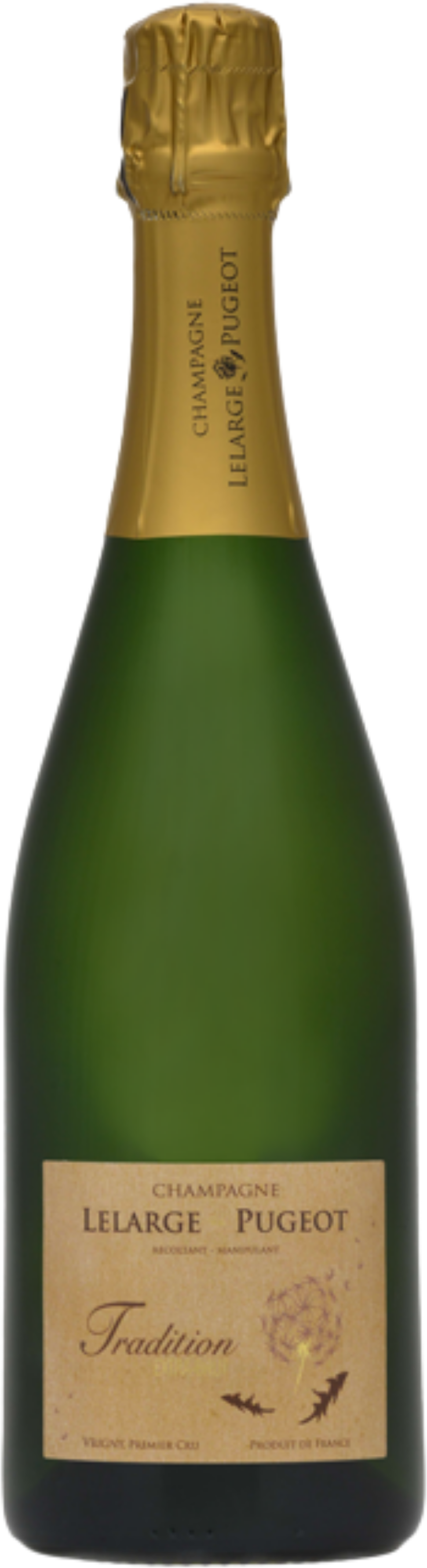
Champagne Brut Grand Cru 'Tradition' GatinoisChampagne Gatinois Brut Grand Cru 'Tradition' reflects the structure and expressive depth of Champagne from Aÿ, a Grand Cru village located in the Vallée de la Marne, a few kilometres from Epernay. The village, where Pinot Noir reigns supreme with almost 90% of the entire vineyard area, is the largest of the Champagne villages with more than 4,000 inhabitants. Already famous in ancient times for the quality of its still wines, Aÿ is today established among the largest territories in all of Champagne for the cultivation of Pinot Noir.The Brut Grand Cru Champagne Gatinois 'Tradition' consists of a blend of Pinot Noir (80%) and Chardonnay (20%) grapes, varieties cultivated within the Grand Cru village of Aÿ on soils with a strong chalk component. In the cellar, the grapes undergo a soft pressing, followed by the alcoholic fermentation of the must and then the maturation of the vintage wine for a few months, which is then blended with 30% vin de reserve in the preparation of the sparkling wine base. This is followed by bottle fermentation according to the Champenoise Method, combined with at least 24-30 months of maturation on the lees in glass. This is followed by degorgement and final dosage as Brut, at 7 g/l residual sugar.The Champagne 'Tradition' Brut Grand Cru from the Gatinois sparkling wine company has a light, brilliant straw yellow colour with a refined perlage. Fresh aromas of pear, lime and white flowers emerge from the glass, supported by anelegant mineral timbre and deep hints of brioche and toasted hints. All complemented by the vinous note typical of Pinot Noir. Taste development endowed with excellent freshness and sapidity, with a good persistence in which the sensations previously perceived on the nose reappear.42,00 £*Shipping: 48,00 £Secure redirect to the provider
-
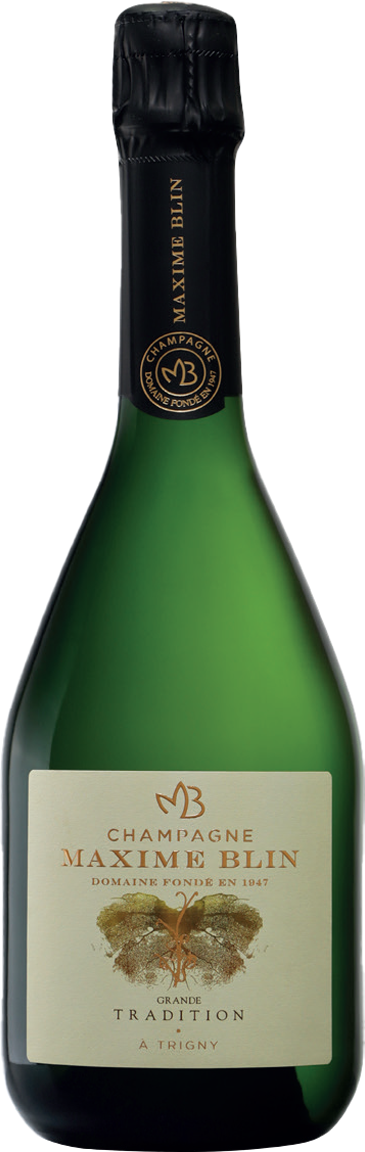
Champagne Brut 'Grande Tradition' Maxime BlinThe 'Grande Tradition' Brut Champagne from the French company Maxime Blin is a Champagne with a classic and refined style, reflecting the identity of the winery. This label is part of the 'Les Fondamentales' collection, a selection that brings together historical cuvées that fully embody the style of the Blin family, each focusing on a specific grape variety. In this particular case, the 'Grande Tradition' highlights the qualities of the Chardonnay cultivated in the Trigny area.The 'Grande Tradition' Maxime Blin Champagne comes from a blend of Chardonnay (90%) and Pinot Noir (10%) grapes grown under certified organic cultivation in the village of Trigny, within the Montagne de Reims area. Here, the vines enjoy excellent southern and south-eastern exposure and the sandy, clay-limestone soil matrix. Following the harvest, the grapes are subjected to a gentle pressing using a Coquard press, with the must thus obtained being transferred to stainless steel tanks for temperature-controlled alcoholic fermentation and subsequent complete malolactic fermentation. The vintage wine is then combined with 30% vins de réserve before bottle fermentation according to the Champenoise Method, combined with 36 months of maturation sur lattes. This is followed by dégorgement and final dosage as Extra Brut, with 4 g/l residual sugar.The 'Grande Tradition' Champagne Maxime Blin has a luminous straw yellow colour with a fine and persistent perlage. The aromatic bouquet expresses fragrant scents of citrus fruits and white flowers, surrounded by memories of bakery and mineral nuances. The taste is fresh, elegant and balanced, with a pleasant savoury trail that rests on a long citrus and mineral finish.57,00 £*Shipping: 48,00 £Secure redirect to the provider


-
What is the concentration camp Dachau?
Dachau was the first Nazi concentration camp opened in Germany in 1933. It served as a model for other camps and was used as a training center for SS concentration camp guards. Dachau was known for its harsh conditions, forced labor, and medical experiments on prisoners. It was liberated by American forces in 1945, and is now a memorial and museum to honor the victims and educate the public about the atrocities committed there. **
-
What is the KZ Dachau 3?
KZ Dachau 3, also known as Dachau subcamp 3, was a subcamp of the Dachau concentration camp located in southern Germany. It was established in 1944 and housed prisoners who were forced to work in nearby armaments factories. The conditions in the subcamp were harsh, and many prisoners suffered from malnutrition, disease, and overwork. The subcamp was liberated by American forces in April 1945. Today, the site serves as a memorial to the victims of the Holocaust and a reminder of the atrocities committed during World War II. **
-
Why is Dachau not a normal concentration camp?
Dachau is not a normal concentration camp because it was one of the first established by the Nazi regime in 1933, serving as a model for other camps that followed. It was initially used to imprison political opponents and later expanded to include other groups such as Jews, homosexuals, and Jehovah's Witnesses. Dachau also served as a training center for SS guards and a site for medical experiments, making it a significant and influential institution within the Nazi concentration camp system. Additionally, Dachau was one of the few camps to remain in operation from the beginning of the Nazi regime until the end of World War II, making it a symbol of the entire concentration camp system. **
-
How far is it from Rosenheim to Dachau?
The distance from Rosenheim to Dachau is approximately 90 kilometers (56 miles) when traveling by road. The journey typically takes around 1 hour by car, depending on traffic conditions. If using public transportation, the travel time can vary, but it usually takes around 1.5-2 hours by train. **


What should I wear at the Dachau concentration camp?
When visiting the Dachau concentration camp, it is important to dress respectfully and modestly out of respect for the site's history and the victims. Opt for comfortable clothing and shoes suitable for walking and exploring the outdoor memorial site. It is recommended to avoid wearing clothing with offensive language or symbols, as well as overly revealing or flashy attire. Additionally, consider dressing in layers as the weather can vary throughout the day. **
Have you ever been to the Dachau concentration camp?
As an AI, I do not have personal experiences or the ability to physically visit places. However, I have access to information about the Dachau concentration camp and its historical significance. If you have any specific questions about the camp or its history, feel free to ask! **
Top-Angebote
Products related to Dachau:
-
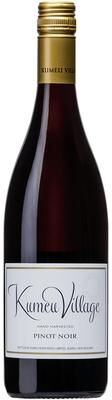
"""Kumeu River""" """Kumeu River Village Pinot Noir 2022 Red Wine - New Zealand""""""The wine displays a bright cherry red/burgundy color with lifted red fruit aromas. On the palate the wine is cool, round and fruity and with a nice hint of chalky tannin that keeps the wine dry and refreshing. Bright raspberry and maraschino cherry..."24,97 $*Shipping: 0,00 $Secure redirect to the provider
-
RLF Home Tradition Provance Valance"Fits Windows up to 50""W. Use multiples for Wider Windows. Decorator's quality fabrics. Fully lined with Poly/Cotton Ivory lining. Use a 2-1/2"" Continental Rod, a regular 3/4"" Curtain rod, Tension rod or Decorative pole no more than 1-3/8"" Diameter."64,49 $*Shipping: 0,00 $Secure redirect to the provider
-
"""Gardet Cuvee Brut Tradition Champagne - France""""""The color is yellowy honey gold. The aromas are decidedly winey and full. It explodes with hints of wheat and chalk. In the mouth it immediately gives white summer fruits with stone. Altogether fresh, with a full-bodied consistency that holds..."53,99 $*Shipping: 0,00 $Secure redirect to the provider
-
Is Dachau a livable city?
Dachau is a livable city with a population of around 48,000 people. It is located in the Bavarian region of Germany and offers a high quality of life with good infrastructure, healthcare, education, and public services. The city has a rich history and cultural heritage, with plenty of green spaces and recreational facilities for its residents. Overall, Dachau is considered a livable city with a strong sense of community and a good standard of living. **
-
What is the KZ Dachau 2?
KZ Dachau 2, also known as Dachau II, was a subcamp of the Dachau concentration camp located near Munich, Germany. It was established in 1944 and housed prisoners who were used for forced labor in nearby armaments factories. The conditions in Dachau II were harsh, with many prisoners suffering from malnutrition, disease, and abuse. The camp was liberated by American forces in April 1945. **
-
What is the concentration camp Dachau?
Dachau was the first Nazi concentration camp opened in Germany in 1933. It served as a model for other camps and was used as a training center for SS concentration camp guards. Dachau was known for its harsh conditions, forced labor, and medical experiments on prisoners. It was liberated by American forces in 1945, and is now a memorial and museum to honor the victims and educate the public about the atrocities committed there. **
-
What is the KZ Dachau 3?
KZ Dachau 3, also known as Dachau subcamp 3, was a subcamp of the Dachau concentration camp located in southern Germany. It was established in 1944 and housed prisoners who were forced to work in nearby armaments factories. The conditions in the subcamp were harsh, and many prisoners suffered from malnutrition, disease, and overwork. The subcamp was liberated by American forces in April 1945. Today, the site serves as a memorial to the victims of the Holocaust and a reminder of the atrocities committed during World War II. **
Similar search terms for Dachau
-
Champagne Brut Grand Cru 'Tradition' GatinoisChampagne Gatinois Brut Grand Cru 'Tradition' reflects the structure and expressive depth of Champagne from Aÿ, a Grand Cru village located in the Vallée de la Marne, a few kilometres from Epernay. The village, where Pinot Noir reigns supreme with almost 90% of the entire vineyard area, is the largest of the Champagne villages with more than 4,000 inhabitants. Already famous in ancient times for the quality of its still wines, Aÿ is today established among the largest territories in all of Champagne for the cultivation of Pinot Noir.The Brut Grand Cru Champagne Gatinois 'Tradition' consists of a blend of Pinot Noir (80%) and Chardonnay (20%) grapes, varieties cultivated within the Grand Cru village of Aÿ on soils with a strong chalk component. In the cellar, the grapes undergo a soft pressing, followed by the alcoholic fermentation of the must and then the maturation of the vintage wine for a few months, which is then blended with 30% vin de reserve in the preparation of the sparkling wine base. This is followed by bottle fermentation according to the Champenoise Method, combined with at least 24-30 months of maturation on the lees in glass. This is followed by degorgement and final dosage as Brut, at 7 g/l residual sugar.The Champagne 'Tradition' Brut Grand Cru from the Gatinois sparkling wine company has a light, brilliant straw yellow colour with a refined perlage. Fresh aromas of pear, lime and white flowers emerge from the glass, supported by anelegant mineral timbre and deep hints of brioche and toasted hints. All complemented by the vinous note typical of Pinot Noir. Taste development endowed with excellent freshness and sapidity, with a good persistence in which the sensations previously perceived on the nose reappear.42,00 £*Shipping: 48,00 £Secure redirect to the provider
-
Champagne Brut 'Grande Tradition' Maxime BlinThe 'Grande Tradition' Brut Champagne from the French company Maxime Blin is a Champagne with a classic and refined style, reflecting the identity of the winery. This label is part of the 'Les Fondamentales' collection, a selection that brings together historical cuvées that fully embody the style of the Blin family, each focusing on a specific grape variety. In this particular case, the 'Grande Tradition' highlights the qualities of the Chardonnay cultivated in the Trigny area.The 'Grande Tradition' Maxime Blin Champagne comes from a blend of Chardonnay (90%) and Pinot Noir (10%) grapes grown under certified organic cultivation in the village of Trigny, within the Montagne de Reims area. Here, the vines enjoy excellent southern and south-eastern exposure and the sandy, clay-limestone soil matrix. Following the harvest, the grapes are subjected to a gentle pressing using a Coquard press, with the must thus obtained being transferred to stainless steel tanks for temperature-controlled alcoholic fermentation and subsequent complete malolactic fermentation. The vintage wine is then combined with 30% vins de réserve before bottle fermentation according to the Champenoise Method, combined with 36 months of maturation sur lattes. This is followed by dégorgement and final dosage as Extra Brut, with 4 g/l residual sugar.The 'Grande Tradition' Champagne Maxime Blin has a luminous straw yellow colour with a fine and persistent perlage. The aromatic bouquet expresses fragrant scents of citrus fruits and white flowers, surrounded by memories of bakery and mineral nuances. The taste is fresh, elegant and balanced, with a pleasant savoury trail that rests on a long citrus and mineral finish.57,00 £*Shipping: 48,00 £Secure redirect to the provider
-
"""Chateau Petit Village""" """Chateau Petit Village 2022 Red Wine - France""""""Blend: 65% Merlot, 28% Cabernet Franc, 7% Cabernet Sauvignon The blackberries and blueberries, ash and cedar are prevalent on the nose, flowing through to a medium body with a beautiful center palate and curated tannins that run the length of the..."156,99 $*Shipping: 0,00 $Secure redirect to the provider
-
Why is Dachau not a normal concentration camp?
Dachau is not a normal concentration camp because it was one of the first established by the Nazi regime in 1933, serving as a model for other camps that followed. It was initially used to imprison political opponents and later expanded to include other groups such as Jews, homosexuals, and Jehovah's Witnesses. Dachau also served as a training center for SS guards and a site for medical experiments, making it a significant and influential institution within the Nazi concentration camp system. Additionally, Dachau was one of the few camps to remain in operation from the beginning of the Nazi regime until the end of World War II, making it a symbol of the entire concentration camp system. **
-
How far is it from Rosenheim to Dachau?
The distance from Rosenheim to Dachau is approximately 90 kilometers (56 miles) when traveling by road. The journey typically takes around 1 hour by car, depending on traffic conditions. If using public transportation, the travel time can vary, but it usually takes around 1.5-2 hours by train. **
-
What should I wear at the Dachau concentration camp?
When visiting the Dachau concentration camp, it is important to dress respectfully and modestly out of respect for the site's history and the victims. Opt for comfortable clothing and shoes suitable for walking and exploring the outdoor memorial site. It is recommended to avoid wearing clothing with offensive language or symbols, as well as overly revealing or flashy attire. Additionally, consider dressing in layers as the weather can vary throughout the day. **
-
Have you ever been to the Dachau concentration camp?
As an AI, I do not have personal experiences or the ability to physically visit places. However, I have access to information about the Dachau concentration camp and its historical significance. If you have any specific questions about the camp or its history, feel free to ask! **
* All prices are inclusive of VAT and, if applicable, plus shipping costs. The offer information is based on the details provided by the respective shop and is updated through automated processes. Real-time updates do not occur, so deviations can occur in individual cases. ** Note: Parts of this content were created by AI.