Buy waldshut.eu ?
We are moving the project
waldshut.eu .
Are you interested in purchasing the domain
waldshut.eu ?
domain@kv-gmbh.de · 0541-91531010
Buy waldshut.eu ?
Don't you like dialects?
I do not have personal preferences or feelings, as I am an artificial intelligence. However, I can appreciate the diversity and richness that dialects bring to language. Dialects often reflect the unique cultural and regional identities of communities, adding depth and variety to communication. Embracing dialects can also help foster understanding and appreciation for different ways of speaking. **
What are Albanian dialects?
Albanian dialects are regional varieties of the Albanian language spoken in different parts of Albania, Kosovo, North Macedonia, and other Albanian-speaking regions. These dialects can vary in terms of vocabulary, pronunciation, and grammar, but they are all mutually intelligible. The two main dialect groups are Gheg, spoken in the north, and Tosk, spoken in the south, with the standard Albanian language based on the Tosk dialect. **
Similar search terms for Dialects
Top-Angebote
Products related to Dialects:
-
RLF Home Tradition Provance Valance"Fits Windows up to 50""W. Use multiples for Wider Windows. Decorator's quality fabrics. Fully lined with Poly/Cotton Ivory lining. Use a 2-1/2"" Continental Rod, a regular 3/4"" Curtain rod, Tension rod or Decorative pole no more than 1-3/8"" Diameter."64,49 $*Shipping: 0,00 $Secure redirect to the provider
-
"""Gardet Cuvee Brut Tradition Champagne - France""""""The color is yellowy honey gold. The aromas are decidedly winey and full. It explodes with hints of wheat and chalk. In the mouth it immediately gives white summer fruits with stone. Altogether fresh, with a full-bodied consistency that holds..."53,99 $*Shipping: 0,00 $Secure redirect to the provider
-
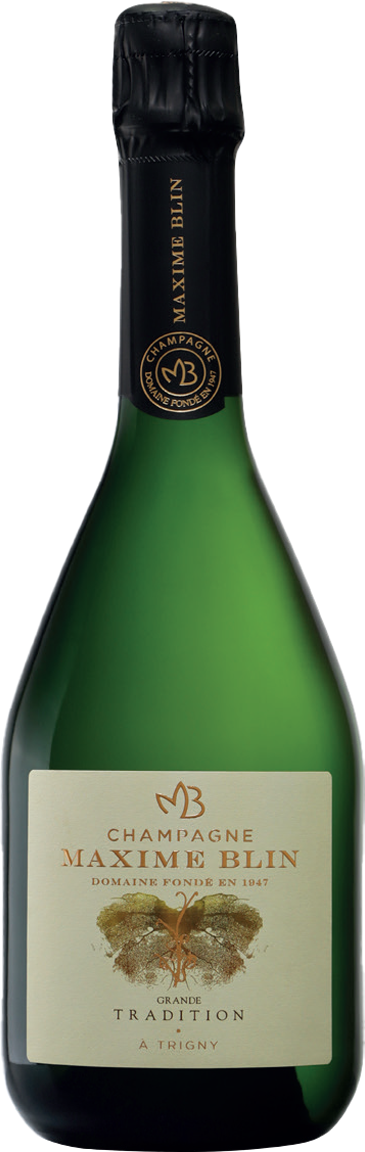
Champagne Brut 'Grande Tradition' Maxime BlinThe 'Grande Tradition' Brut Champagne from the French company Maxime Blin is a Champagne with a classic and refined style, reflecting the identity of the winery. This label is part of the 'Les Fondamentales' collection, a selection that brings together historical cuvées that fully embody the style of the Blin family, each focusing on a specific grape variety. In this particular case, the 'Grande Tradition' highlights the qualities of the Chardonnay cultivated in the Trigny area.The 'Grande Tradition' Maxime Blin Champagne comes from a blend of Chardonnay (90%) and Pinot Noir (10%) grapes grown under certified organic cultivation in the village of Trigny, within the Montagne de Reims area. Here, the vines enjoy excellent southern and south-eastern exposure and the sandy, clay-limestone soil matrix. Following the harvest, the grapes are subjected to a gentle pressing using a Coquard press, with the must thus obtained being transferred to stainless steel tanks for temperature-controlled alcoholic fermentation and subsequent complete malolactic fermentation. The vintage wine is then combined with 30% vins de réserve before bottle fermentation according to the Champenoise Method, combined with 36 months of maturation sur lattes. This is followed by dégorgement and final dosage as Extra Brut, with 4 g/l residual sugar.The 'Grande Tradition' Champagne Maxime Blin has a luminous straw yellow colour with a fine and persistent perlage. The aromatic bouquet expresses fragrant scents of citrus fruits and white flowers, surrounded by memories of bakery and mineral nuances. The taste is fresh, elegant and balanced, with a pleasant savoury trail that rests on a long citrus and mineral finish.57,00 £*Shipping: 48,00 £Secure redirect to the provider
-
Champagne Brut Grand Cru 'Tradition' GatinoisChampagne Gatinois Brut Grand Cru 'Tradition' reflects the structure and expressive depth of Champagne from Aÿ, a Grand Cru village located in the Vallée de la Marne, a few kilometres from Epernay. The village, where Pinot Noir reigns supreme with almost 90% of the entire vineyard area, is the largest of the Champagne villages with more than 4,000 inhabitants. Already famous in ancient times for the quality of its still wines, Aÿ is today established among the largest territories in all of Champagne for the cultivation of Pinot Noir.The Brut Grand Cru Champagne Gatinois 'Tradition' consists of a blend of Pinot Noir (80%) and Chardonnay (20%) grapes, varieties cultivated within the Grand Cru village of Aÿ on soils with a strong chalk component. In the cellar, the grapes undergo a soft pressing, followed by the alcoholic fermentation of the must and then the maturation of the vintage wine for a few months, which is then blended with 30% vin de reserve in the preparation of the sparkling wine base. This is followed by bottle fermentation according to the Champenoise Method, combined with at least 24-30 months of maturation on the lees in glass. This is followed by degorgement and final dosage as Brut, at 7 g/l residual sugar.The Champagne 'Tradition' Brut Grand Cru from the Gatinois sparkling wine company has a light, brilliant straw yellow colour with a refined perlage. Fresh aromas of pear, lime and white flowers emerge from the glass, supported by anelegant mineral timbre and deep hints of brioche and toasted hints. All complemented by the vinous note typical of Pinot Noir. Taste development endowed with excellent freshness and sapidity, with a good persistence in which the sensations previously perceived on the nose reappear.42,00 £*Shipping: 48,00 £Secure redirect to the provider



-
How do dialects originate?
Dialects originate from the natural evolution of language within a specific geographical or social community. As people interact and communicate within their community, they develop unique pronunciations, vocabulary, and grammar patterns that distinguish their speech from others. Over time, these linguistic differences become more pronounced and form distinct dialects. Factors such as isolation, migration, and historical events can also contribute to the development of dialects. **
-
What are German dialects?
German dialects are regional variations of the German language that differ in pronunciation, vocabulary, and grammar. These dialects are spoken in different regions of Germany, as well as in neighboring countries such as Austria and Switzerland. Some dialects are so distinct that they are almost unintelligible to speakers of standard German. Despite efforts to promote standard German as the official language, many people still use and take pride in speaking their local dialects. **
-
What are Bavarian dialects?
Bavarian dialects are a group of Upper German dialects spoken in the Bavaria region of Germany, as well as in parts of Austria and South Tyrol. These dialects are characterized by their distinct pronunciation, vocabulary, and grammar, which set them apart from standard German. Bavarian dialects are an important part of the cultural identity of the region and are still spoken by many people, particularly in rural areas. They are also used in literature, music, and theater, contributing to the rich cultural heritage of Bavaria. **
-
Why are dialects being eradicated?
Dialects are being eradicated due to various factors such as globalization, urbanization, and the spread of mass media. As people move to urban areas and interact with a more diverse population, there is a tendency for dialects to be replaced by a more standardized form of language. Additionally, the influence of mass media, particularly through television and the internet, can lead to the homogenization of language as people are exposed to a more uniform way of speaking. Overall, the decline of dialects can be seen as a result of societal changes that prioritize communication and understanding across different regions. **


What English dialects exist worldwide?
There are numerous English dialects spoken worldwide, including British English, American English, Australian English, Canadian English, Indian English, South African English, and many more. Each of these dialects has its own unique vocabulary, pronunciation, and grammar rules, shaped by the history and culture of the region where it is spoken. These dialects can vary significantly in terms of accent, slang, and idiomatic expressions, making English a diverse and dynamic language. **
How can I learn dialects?
To learn dialects, it's important to immerse yourself in the culture and environment where the dialect is spoken. This can involve spending time in the region, interacting with native speakers, and actively listening to how they speak. Additionally, studying the grammar, vocabulary, and pronunciation specific to the dialect can help you understand and communicate in it more effectively. Utilizing language learning resources such as books, online courses, and language exchange programs can also aid in learning dialects. Lastly, practicing speaking and listening to the dialect regularly will help you become more proficient in using it. **
Top-Angebote
Products related to Dialects:
-
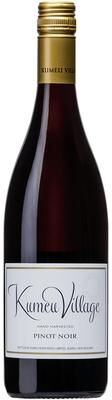
"""Kumeu River""" """Kumeu River Village Pinot Noir 2022 Red Wine - New Zealand""""""The wine displays a bright cherry red/burgundy color with lifted red fruit aromas. On the palate the wine is cool, round and fruity and with a nice hint of chalky tannin that keeps the wine dry and refreshing. Bright raspberry and maraschino cherry..."24,97 $*Shipping: 0,00 $Secure redirect to the provider
-
RLF Home Tradition Provance Valance"Fits Windows up to 50""W. Use multiples for Wider Windows. Decorator's quality fabrics. Fully lined with Poly/Cotton Ivory lining. Use a 2-1/2"" Continental Rod, a regular 3/4"" Curtain rod, Tension rod or Decorative pole no more than 1-3/8"" Diameter."64,49 $*Shipping: 0,00 $Secure redirect to the provider
-
"""Gardet Cuvee Brut Tradition Champagne - France""""""The color is yellowy honey gold. The aromas are decidedly winey and full. It explodes with hints of wheat and chalk. In the mouth it immediately gives white summer fruits with stone. Altogether fresh, with a full-bodied consistency that holds..."53,99 $*Shipping: 0,00 $Secure redirect to the provider
-
Don't you like dialects?
I do not have personal preferences or feelings, as I am an artificial intelligence. However, I can appreciate the diversity and richness that dialects bring to language. Dialects often reflect the unique cultural and regional identities of communities, adding depth and variety to communication. Embracing dialects can also help foster understanding and appreciation for different ways of speaking. **
-
What are Albanian dialects?
Albanian dialects are regional varieties of the Albanian language spoken in different parts of Albania, Kosovo, North Macedonia, and other Albanian-speaking regions. These dialects can vary in terms of vocabulary, pronunciation, and grammar, but they are all mutually intelligible. The two main dialect groups are Gheg, spoken in the north, and Tosk, spoken in the south, with the standard Albanian language based on the Tosk dialect. **
-
How do dialects originate?
Dialects originate from the natural evolution of language within a specific geographical or social community. As people interact and communicate within their community, they develop unique pronunciations, vocabulary, and grammar patterns that distinguish their speech from others. Over time, these linguistic differences become more pronounced and form distinct dialects. Factors such as isolation, migration, and historical events can also contribute to the development of dialects. **
-
What are German dialects?
German dialects are regional variations of the German language that differ in pronunciation, vocabulary, and grammar. These dialects are spoken in different regions of Germany, as well as in neighboring countries such as Austria and Switzerland. Some dialects are so distinct that they are almost unintelligible to speakers of standard German. Despite efforts to promote standard German as the official language, many people still use and take pride in speaking their local dialects. **
Similar search terms for Dialects
-
Champagne Brut 'Grande Tradition' Maxime BlinThe 'Grande Tradition' Brut Champagne from the French company Maxime Blin is a Champagne with a classic and refined style, reflecting the identity of the winery. This label is part of the 'Les Fondamentales' collection, a selection that brings together historical cuvées that fully embody the style of the Blin family, each focusing on a specific grape variety. In this particular case, the 'Grande Tradition' highlights the qualities of the Chardonnay cultivated in the Trigny area.The 'Grande Tradition' Maxime Blin Champagne comes from a blend of Chardonnay (90%) and Pinot Noir (10%) grapes grown under certified organic cultivation in the village of Trigny, within the Montagne de Reims area. Here, the vines enjoy excellent southern and south-eastern exposure and the sandy, clay-limestone soil matrix. Following the harvest, the grapes are subjected to a gentle pressing using a Coquard press, with the must thus obtained being transferred to stainless steel tanks for temperature-controlled alcoholic fermentation and subsequent complete malolactic fermentation. The vintage wine is then combined with 30% vins de réserve before bottle fermentation according to the Champenoise Method, combined with 36 months of maturation sur lattes. This is followed by dégorgement and final dosage as Extra Brut, with 4 g/l residual sugar.The 'Grande Tradition' Champagne Maxime Blin has a luminous straw yellow colour with a fine and persistent perlage. The aromatic bouquet expresses fragrant scents of citrus fruits and white flowers, surrounded by memories of bakery and mineral nuances. The taste is fresh, elegant and balanced, with a pleasant savoury trail that rests on a long citrus and mineral finish.57,00 £*Shipping: 48,00 £Secure redirect to the provider
-
Champagne Brut Grand Cru 'Tradition' GatinoisChampagne Gatinois Brut Grand Cru 'Tradition' reflects the structure and expressive depth of Champagne from Aÿ, a Grand Cru village located in the Vallée de la Marne, a few kilometres from Epernay. The village, where Pinot Noir reigns supreme with almost 90% of the entire vineyard area, is the largest of the Champagne villages with more than 4,000 inhabitants. Already famous in ancient times for the quality of its still wines, Aÿ is today established among the largest territories in all of Champagne for the cultivation of Pinot Noir.The Brut Grand Cru Champagne Gatinois 'Tradition' consists of a blend of Pinot Noir (80%) and Chardonnay (20%) grapes, varieties cultivated within the Grand Cru village of Aÿ on soils with a strong chalk component. In the cellar, the grapes undergo a soft pressing, followed by the alcoholic fermentation of the must and then the maturation of the vintage wine for a few months, which is then blended with 30% vin de reserve in the preparation of the sparkling wine base. This is followed by bottle fermentation according to the Champenoise Method, combined with at least 24-30 months of maturation on the lees in glass. This is followed by degorgement and final dosage as Brut, at 7 g/l residual sugar.The Champagne 'Tradition' Brut Grand Cru from the Gatinois sparkling wine company has a light, brilliant straw yellow colour with a refined perlage. Fresh aromas of pear, lime and white flowers emerge from the glass, supported by anelegant mineral timbre and deep hints of brioche and toasted hints. All complemented by the vinous note typical of Pinot Noir. Taste development endowed with excellent freshness and sapidity, with a good persistence in which the sensations previously perceived on the nose reappear.42,00 £*Shipping: 48,00 £Secure redirect to the provider
-
"""Chateau Petit Village""" """Chateau Petit Village 2022 Red Wine - France""""""Blend: 65% Merlot, 28% Cabernet Franc, 7% Cabernet Sauvignon The blackberries and blueberries, ash and cedar are prevalent on the nose, flowing through to a medium body with a beautiful center palate and curated tannins that run the length of the..."156,99 $*Shipping: 0,00 $Secure redirect to the provider
-
What are Bavarian dialects?
Bavarian dialects are a group of Upper German dialects spoken in the Bavaria region of Germany, as well as in parts of Austria and South Tyrol. These dialects are characterized by their distinct pronunciation, vocabulary, and grammar, which set them apart from standard German. Bavarian dialects are an important part of the cultural identity of the region and are still spoken by many people, particularly in rural areas. They are also used in literature, music, and theater, contributing to the rich cultural heritage of Bavaria. **
-
Why are dialects being eradicated?
Dialects are being eradicated due to various factors such as globalization, urbanization, and the spread of mass media. As people move to urban areas and interact with a more diverse population, there is a tendency for dialects to be replaced by a more standardized form of language. Additionally, the influence of mass media, particularly through television and the internet, can lead to the homogenization of language as people are exposed to a more uniform way of speaking. Overall, the decline of dialects can be seen as a result of societal changes that prioritize communication and understanding across different regions. **
-
What English dialects exist worldwide?
There are numerous English dialects spoken worldwide, including British English, American English, Australian English, Canadian English, Indian English, South African English, and many more. Each of these dialects has its own unique vocabulary, pronunciation, and grammar rules, shaped by the history and culture of the region where it is spoken. These dialects can vary significantly in terms of accent, slang, and idiomatic expressions, making English a diverse and dynamic language. **
-
How can I learn dialects?
To learn dialects, it's important to immerse yourself in the culture and environment where the dialect is spoken. This can involve spending time in the region, interacting with native speakers, and actively listening to how they speak. Additionally, studying the grammar, vocabulary, and pronunciation specific to the dialect can help you understand and communicate in it more effectively. Utilizing language learning resources such as books, online courses, and language exchange programs can also aid in learning dialects. Lastly, practicing speaking and listening to the dialect regularly will help you become more proficient in using it. **
* All prices are inclusive of VAT and, if applicable, plus shipping costs. The offer information is based on the details provided by the respective shop and is updated through automated processes. Real-time updates do not occur, so deviations can occur in individual cases. ** Note: Parts of this content were created by AI.