Buy waldshut.eu ?
We are moving the project
waldshut.eu .
Are you interested in purchasing the domain
waldshut.eu ?
domain@kv-gmbh.de · 0541-91531010
Buy waldshut.eu ?
What is the difference between social sciences and society sciences?
The term "social sciences" refers to the academic disciplines that study human society and social relationships, such as sociology, anthropology, psychology, and economics. These disciplines focus on understanding human behavior, social structures, and cultural phenomena. On the other hand, "society sciences" is not a commonly used term in academic discourse. It may refer to the study of society as a whole, including its institutions, norms, and dynamics. However, it is not a widely recognized or established term in the academic or scientific community. In summary, the main difference between the two terms is that "social sciences" refers to established academic disciplines that study human society, while "society sciences" is not a widely recognized term and may have a broader, more general meaning. **
Educational sciences or geography?
The choice between educational sciences and geography ultimately depends on your interests and career goals. If you are passionate about understanding how people learn and develop, and want to work in education or research, then educational sciences may be the better choice. On the other hand, if you are fascinated by the Earth's physical features, human interactions with the environment, and spatial relationships, then geography could be the more suitable option. Consider your strengths, interests, and future aspirations to make an informed decision between the two fields. **
Similar search terms for Sciences
Top-Angebote
Products related to Sciences:
-
"""Kumeu River""" """Kumeu River Village Pinot Noir 2022 Red Wine - New Zealand""""""The wine displays a bright cherry red/burgundy color with lifted red fruit aromas. On the palate the wine is cool, round and fruity and with a nice hint of chalky tannin that keeps the wine dry and refreshing. Bright raspberry and maraschino cherry..."24,97 $*Shipping: 0,00 $Secure redirect to the provider
-
RLF Home Tradition Provance Valance"Fits Windows up to 50""W. Use multiples for Wider Windows. Decorator's quality fabrics. Fully lined with Poly/Cotton Ivory lining. Use a 2-1/2"" Continental Rod, a regular 3/4"" Curtain rod, Tension rod or Decorative pole no more than 1-3/8"" Diameter."64,49 $*Shipping: 0,00 $Secure redirect to the provider
-
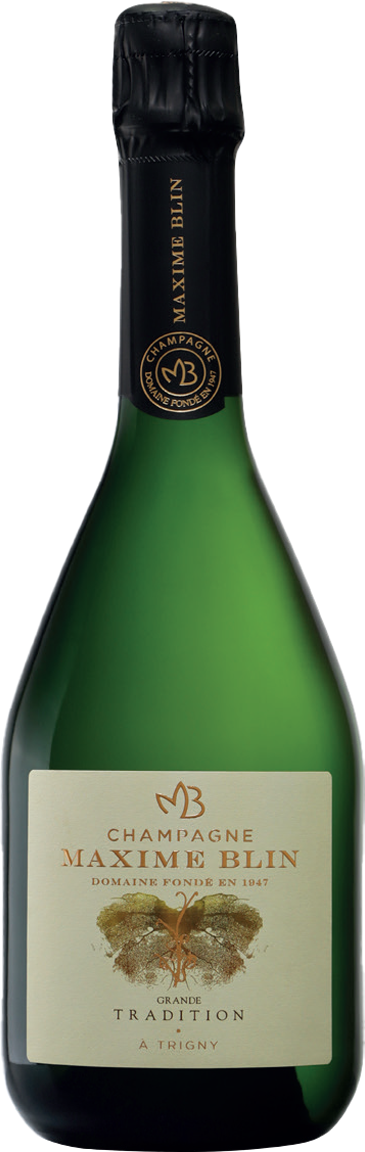
Champagne Brut 'Grande Tradition' Maxime BlinThe 'Grande Tradition' Brut Champagne from the French company Maxime Blin is a Champagne with a classic and refined style, reflecting the identity of the winery. This label is part of the 'Les Fondamentales' collection, a selection that brings together historical cuvées that fully embody the style of the Blin family, each focusing on a specific grape variety. In this particular case, the 'Grande Tradition' highlights the qualities of the Chardonnay cultivated in the Trigny area.The 'Grande Tradition' Maxime Blin Champagne comes from a blend of Chardonnay (90%) and Pinot Noir (10%) grapes grown under certified organic cultivation in the village of Trigny, within the Montagne de Reims area. Here, the vines enjoy excellent southern and south-eastern exposure and the sandy, clay-limestone soil matrix. Following the harvest, the grapes are subjected to a gentle pressing using a Coquard press, with the must thus obtained being transferred to stainless steel tanks for temperature-controlled alcoholic fermentation and subsequent complete malolactic fermentation. The vintage wine is then combined with 30% vins de réserve before bottle fermentation according to the Champenoise Method, combined with 36 months of maturation sur lattes. This is followed by dégorgement and final dosage as Extra Brut, with 4 g/l residual sugar.The 'Grande Tradition' Champagne Maxime Blin has a luminous straw yellow colour with a fine and persistent perlage. The aromatic bouquet expresses fragrant scents of citrus fruits and white flowers, surrounded by memories of bakery and mineral nuances. The taste is fresh, elegant and balanced, with a pleasant savoury trail that rests on a long citrus and mineral finish.57,00 £*Shipping: 48,00 £Secure redirect to the provider
-
Champagne Brut Grand Cru 'Tradition' GatinoisChampagne Gatinois Brut Grand Cru 'Tradition' reflects the structure and expressive depth of Champagne from Aÿ, a Grand Cru village located in the Vallée de la Marne, a few kilometres from Epernay. The village, where Pinot Noir reigns supreme with almost 90% of the entire vineyard area, is the largest of the Champagne villages with more than 4,000 inhabitants. Already famous in ancient times for the quality of its still wines, Aÿ is today established among the largest territories in all of Champagne for the cultivation of Pinot Noir.The Brut Grand Cru Champagne Gatinois 'Tradition' consists of a blend of Pinot Noir (80%) and Chardonnay (20%) grapes, varieties cultivated within the Grand Cru village of Aÿ on soils with a strong chalk component. In the cellar, the grapes undergo a soft pressing, followed by the alcoholic fermentation of the must and then the maturation of the vintage wine for a few months, which is then blended with 30% vin de reserve in the preparation of the sparkling wine base. This is followed by bottle fermentation according to the Champenoise Method, combined with at least 24-30 months of maturation on the lees in glass. This is followed by degorgement and final dosage as Brut, at 7 g/l residual sugar.The Champagne 'Tradition' Brut Grand Cru from the Gatinois sparkling wine company has a light, brilliant straw yellow colour with a refined perlage. Fresh aromas of pear, lime and white flowers emerge from the glass, supported by anelegant mineral timbre and deep hints of brioche and toasted hints. All complemented by the vinous note typical of Pinot Noir. Taste development endowed with excellent freshness and sapidity, with a good persistence in which the sensations previously perceived on the nose reappear.42,00 £*Shipping: 48,00 £Secure redirect to the provider


-
Why study social sciences?
Studying social sciences is important because it helps us understand human behavior, societies, and cultures. It provides insights into how individuals interact with each other and with their environment, which is crucial for addressing social issues and promoting positive change. By studying social sciences, we can gain a deeper understanding of the complexities of human society and develop the critical thinking skills needed to navigate the challenges of the modern world. Ultimately, studying social sciences can help us become more informed, empathetic, and engaged citizens. **
-
'Education Sciences or Geography?'
Both Education Sciences and Geography are valuable fields of study, each offering unique perspectives and opportunities. Education Sciences focus on understanding how people learn and develop, as well as how to improve educational systems and practices. On the other hand, Geography explores the physical environment, human societies, and the interactions between them. Ultimately, the choice between the two depends on your interests and career goals. If you are passionate about teaching, learning, and educational policy, Education Sciences may be the right choice for you. However, if you are more interested in studying the Earth's landscapes, cultures, and environments, Geography could be a better fit. **
-
Education sciences or geography?
The choice between education sciences and geography ultimately depends on your interests and career goals. If you are passionate about understanding how people learn and develop, and want to work in the field of education, then education sciences may be the better choice for you. On the other hand, if you are fascinated by the physical environment, spatial patterns, and human interactions with the Earth, then geography may be the more suitable option. Consider your strengths, interests, and future aspirations to make an informed decision between these two fields of study. **
-
'Education sciences or Geography?'
Choosing between education sciences and geography depends on your interests and career goals. If you are passionate about understanding how people learn and develop, and want to work in the field of education, then education sciences may be the right choice for you. On the other hand, if you are fascinated by the physical and cultural landscapes of the world, and enjoy studying maps, environments, and societies, then geography might be a better fit. Consider your strengths, interests, and future aspirations to make an informed decision between these two fields of study. **


What branches are there in the natural sciences and in the language sciences?
In the natural sciences, there are several branches including biology, chemistry, physics, earth science, and environmental science. Each of these branches focuses on different aspects of the natural world, such as living organisms, chemical reactions, physical forces, the Earth's structure, and the environment. In the language sciences, there are also various branches, such as linguistics, psycholinguistics, sociolinguistics, and computational linguistics. These branches study different aspects of language, including its structure, acquisition, use in social contexts, and computational processing. Each branch contributes to our understanding of how language works and its role in human communication and cognition. **
Do you have to take two natural sciences in writing, with natural sciences?
Yes, it is important to take two natural sciences in writing when studying natural sciences. This is because writing about scientific concepts and findings helps to reinforce understanding and communication of complex ideas. Additionally, writing about natural sciences allows for the development of critical thinking and analytical skills, which are essential for success in the field. Therefore, taking two natural sciences in writing alongside natural sciences coursework can greatly enhance a student's overall learning experience. **
Top-Angebote
Products related to Sciences:
-
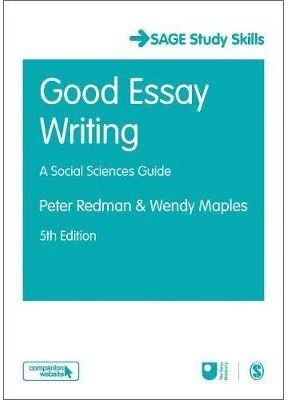
SAGE Publications Good Essay Writing: A Social Sciences Guide (Student Success)Writing good essays is one of the most challenging aspects of studying in the social sciences. This simple guide provides you with proven approaches and techniques to help turn you into a well-oiled, essay writing machine. Good Essay Writing demonstrates how to think critically and formulate your argument as well as offering water-tight structuring tips, referencing advice and a word on those all too familiar common worries – all brought to life through real student examples from a range of subjects. Now in its fifth edition, this fresh update contains: New essay examples are analysed and discussed, so you have a clear understanding of what makes a good essay A new chapter on essay writing skills and other forms of social science writing, helping you transfer the skills you learn to different types of written assessments A new Companion Website providing additional exercises and examples, helping you practice and apply the skills. This practical guide is an absolute must for everybody wanting - or needing - to brush up on their essay writing skills and boost their grades.10,50 £*Shipping: 2,99 £Secure redirect to the provider
-
"""Kumeu River""" """Kumeu River Village Pinot Noir 2022 Red Wine - New Zealand""""""The wine displays a bright cherry red/burgundy color with lifted red fruit aromas. On the palate the wine is cool, round and fruity and with a nice hint of chalky tannin that keeps the wine dry and refreshing. Bright raspberry and maraschino cherry..."24,97 $*Shipping: 0,00 $Secure redirect to the provider
-
RLF Home Tradition Provance Valance"Fits Windows up to 50""W. Use multiples for Wider Windows. Decorator's quality fabrics. Fully lined with Poly/Cotton Ivory lining. Use a 2-1/2"" Continental Rod, a regular 3/4"" Curtain rod, Tension rod or Decorative pole no more than 1-3/8"" Diameter."64,49 $*Shipping: 0,00 $Secure redirect to the provider
-
What is the difference between social sciences and society sciences?
The term "social sciences" refers to the academic disciplines that study human society and social relationships, such as sociology, anthropology, psychology, and economics. These disciplines focus on understanding human behavior, social structures, and cultural phenomena. On the other hand, "society sciences" is not a commonly used term in academic discourse. It may refer to the study of society as a whole, including its institutions, norms, and dynamics. However, it is not a widely recognized or established term in the academic or scientific community. In summary, the main difference between the two terms is that "social sciences" refers to established academic disciplines that study human society, while "society sciences" is not a widely recognized term and may have a broader, more general meaning. **
-
Educational sciences or geography?
The choice between educational sciences and geography ultimately depends on your interests and career goals. If you are passionate about understanding how people learn and develop, and want to work in education or research, then educational sciences may be the better choice. On the other hand, if you are fascinated by the Earth's physical features, human interactions with the environment, and spatial relationships, then geography could be the more suitable option. Consider your strengths, interests, and future aspirations to make an informed decision between the two fields. **
-
Why study social sciences?
Studying social sciences is important because it helps us understand human behavior, societies, and cultures. It provides insights into how individuals interact with each other and with their environment, which is crucial for addressing social issues and promoting positive change. By studying social sciences, we can gain a deeper understanding of the complexities of human society and develop the critical thinking skills needed to navigate the challenges of the modern world. Ultimately, studying social sciences can help us become more informed, empathetic, and engaged citizens. **
-
'Education Sciences or Geography?'
Both Education Sciences and Geography are valuable fields of study, each offering unique perspectives and opportunities. Education Sciences focus on understanding how people learn and develop, as well as how to improve educational systems and practices. On the other hand, Geography explores the physical environment, human societies, and the interactions between them. Ultimately, the choice between the two depends on your interests and career goals. If you are passionate about teaching, learning, and educational policy, Education Sciences may be the right choice for you. However, if you are more interested in studying the Earth's landscapes, cultures, and environments, Geography could be a better fit. **
Similar search terms for Sciences
-
Champagne Brut 'Grande Tradition' Maxime BlinThe 'Grande Tradition' Brut Champagne from the French company Maxime Blin is a Champagne with a classic and refined style, reflecting the identity of the winery. This label is part of the 'Les Fondamentales' collection, a selection that brings together historical cuvées that fully embody the style of the Blin family, each focusing on a specific grape variety. In this particular case, the 'Grande Tradition' highlights the qualities of the Chardonnay cultivated in the Trigny area.The 'Grande Tradition' Maxime Blin Champagne comes from a blend of Chardonnay (90%) and Pinot Noir (10%) grapes grown under certified organic cultivation in the village of Trigny, within the Montagne de Reims area. Here, the vines enjoy excellent southern and south-eastern exposure and the sandy, clay-limestone soil matrix. Following the harvest, the grapes are subjected to a gentle pressing using a Coquard press, with the must thus obtained being transferred to stainless steel tanks for temperature-controlled alcoholic fermentation and subsequent complete malolactic fermentation. The vintage wine is then combined with 30% vins de réserve before bottle fermentation according to the Champenoise Method, combined with 36 months of maturation sur lattes. This is followed by dégorgement and final dosage as Extra Brut, with 4 g/l residual sugar.The 'Grande Tradition' Champagne Maxime Blin has a luminous straw yellow colour with a fine and persistent perlage. The aromatic bouquet expresses fragrant scents of citrus fruits and white flowers, surrounded by memories of bakery and mineral nuances. The taste is fresh, elegant and balanced, with a pleasant savoury trail that rests on a long citrus and mineral finish.57,00 £*Shipping: 48,00 £Secure redirect to the provider
-
Champagne Brut Grand Cru 'Tradition' GatinoisChampagne Gatinois Brut Grand Cru 'Tradition' reflects the structure and expressive depth of Champagne from Aÿ, a Grand Cru village located in the Vallée de la Marne, a few kilometres from Epernay. The village, where Pinot Noir reigns supreme with almost 90% of the entire vineyard area, is the largest of the Champagne villages with more than 4,000 inhabitants. Already famous in ancient times for the quality of its still wines, Aÿ is today established among the largest territories in all of Champagne for the cultivation of Pinot Noir.The Brut Grand Cru Champagne Gatinois 'Tradition' consists of a blend of Pinot Noir (80%) and Chardonnay (20%) grapes, varieties cultivated within the Grand Cru village of Aÿ on soils with a strong chalk component. In the cellar, the grapes undergo a soft pressing, followed by the alcoholic fermentation of the must and then the maturation of the vintage wine for a few months, which is then blended with 30% vin de reserve in the preparation of the sparkling wine base. This is followed by bottle fermentation according to the Champenoise Method, combined with at least 24-30 months of maturation on the lees in glass. This is followed by degorgement and final dosage as Brut, at 7 g/l residual sugar.The Champagne 'Tradition' Brut Grand Cru from the Gatinois sparkling wine company has a light, brilliant straw yellow colour with a refined perlage. Fresh aromas of pear, lime and white flowers emerge from the glass, supported by anelegant mineral timbre and deep hints of brioche and toasted hints. All complemented by the vinous note typical of Pinot Noir. Taste development endowed with excellent freshness and sapidity, with a good persistence in which the sensations previously perceived on the nose reappear.42,00 £*Shipping: 48,00 £Secure redirect to the provider
-
"""Gardet Cuvee Brut Tradition Champagne - France""""""The color is yellowy honey gold. The aromas are decidedly winey and full. It explodes with hints of wheat and chalk. In the mouth it immediately gives white summer fruits with stone. Altogether fresh, with a full-bodied consistency that holds..."53,99 $*Shipping: 0,00 $Secure redirect to the provider
-
Education sciences or geography?
The choice between education sciences and geography ultimately depends on your interests and career goals. If you are passionate about understanding how people learn and develop, and want to work in the field of education, then education sciences may be the better choice for you. On the other hand, if you are fascinated by the physical environment, spatial patterns, and human interactions with the Earth, then geography may be the more suitable option. Consider your strengths, interests, and future aspirations to make an informed decision between these two fields of study. **
-
'Education sciences or Geography?'
Choosing between education sciences and geography depends on your interests and career goals. If you are passionate about understanding how people learn and develop, and want to work in the field of education, then education sciences may be the right choice for you. On the other hand, if you are fascinated by the physical and cultural landscapes of the world, and enjoy studying maps, environments, and societies, then geography might be a better fit. Consider your strengths, interests, and future aspirations to make an informed decision between these two fields of study. **
-
What branches are there in the natural sciences and in the language sciences?
In the natural sciences, there are several branches including biology, chemistry, physics, earth science, and environmental science. Each of these branches focuses on different aspects of the natural world, such as living organisms, chemical reactions, physical forces, the Earth's structure, and the environment. In the language sciences, there are also various branches, such as linguistics, psycholinguistics, sociolinguistics, and computational linguistics. These branches study different aspects of language, including its structure, acquisition, use in social contexts, and computational processing. Each branch contributes to our understanding of how language works and its role in human communication and cognition. **
-
Do you have to take two natural sciences in writing, with natural sciences?
Yes, it is important to take two natural sciences in writing when studying natural sciences. This is because writing about scientific concepts and findings helps to reinforce understanding and communication of complex ideas. Additionally, writing about natural sciences allows for the development of critical thinking and analytical skills, which are essential for success in the field. Therefore, taking two natural sciences in writing alongside natural sciences coursework can greatly enhance a student's overall learning experience. **
* All prices are inclusive of VAT and, if applicable, plus shipping costs. The offer information is based on the details provided by the respective shop and is updated through automated processes. Real-time updates do not occur, so deviations can occur in individual cases. ** Note: Parts of this content were created by AI.